

A Guide to Responsible Gambling Tools and Self-Exclusion Programs Across Jurisdictions
Let’s be honest: gambling can be a thrilling ride. The lights, the sounds, the anticipation—it’s a whole sensory world. But like any powerful engine, it needs a good set of brakes. That’s where responsible gambling tools and self-exclusion programs come in. They’re the safety features, the guardrails, built to help you stay in control.
This guide isn’t about wagering strategies. It’s about the practical, often overlooked tools that exist across different countries and states. Think of it as a map to the safety nets, because knowing they’re there—and how they work—is the first, crucial step.
The Toolkit: What’s in the Box?
Before we jump into the geographical patchwork, let’s understand the common tools. Most regulated jurisdictions mandate some version of these. They’re your first line of defense.
Deposit Limits
This is your budgeting buddy. You set a hard limit on how much you can deposit daily, weekly, or monthly. Once you hit it, that’s it—no more funding until the period resets. It’s a simple, effective way to curb impulsive spending.
Time-Outs
Need a short break? A time-out lets you suspend your account for a set period—maybe 24 hours, a week, or six weeks. It’s a cooling-off period, a chance to step back without the permanence of full self-exclusion.
Reality Checks and Activity Statements
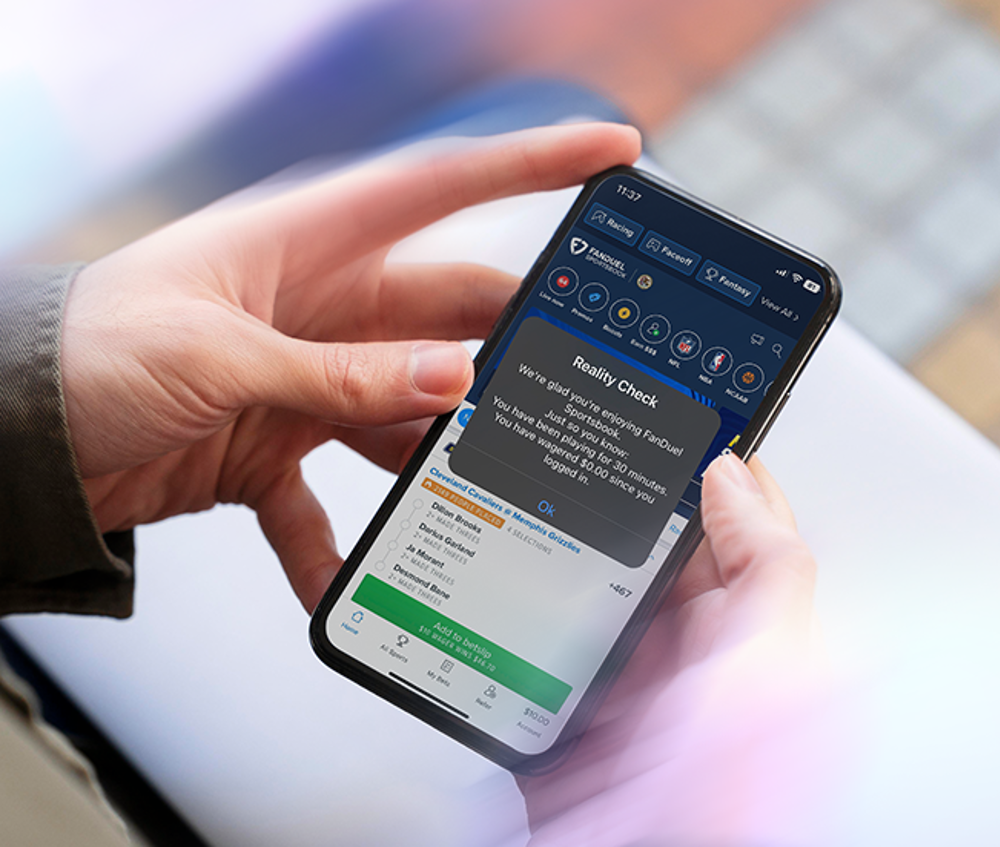
These are your gentle nudges. Reality checks are pop-up alerts that remind you how long you’ve been playing. Activity statements lay out your wins, losses, and time spent in cold, hard numbers. Sometimes, seeing it on paper is the wake-up call you need.
Loss Limits and Wager Limits
Going a step further than deposit limits, these control how much you can actually lose or bet in a session. They’re a more direct way to manage risk, though they’re not as universally available.
The Heavy-Duty Option: Self-Exclusion Programs
Now, this is the big one. Self-exclusion is a formal process where you voluntarily ban yourself from gambling venues or sites for a set period—usually a minimum of six months, often much longer. It’s a serious commitment. During this time, operators are legally obligated to prevent you from playing and to refund any deposits. They should also stop all marketing.
Here’s the critical bit: self-exclusion isn’t a magic cure. It’s a barrier. And its effectiveness depends heavily on the jurisdiction’s regulatory framework. The rules vary wildly from place to place.
A Patchwork of Rules: Key Jurisdictions Compared
Alright, let’s dive in. This is where it gets… complicated. Different regions have taken different approaches to player protection tools. It’s a real mix.
| Jurisdiction | Key Program/Tool | How It Works & Notes |
| United Kingdom | GAMSTOP (online), Multi-Operator Self-Exclusion (land-based) | GAMSTOP is a nationwide, free scheme for all licensed UK sites. One registration covers them all. Land-based exclusions are venue-led but linked regionally. The UKGC mandates strict tool visibility. |
| Sweden | Spelpaus.se | The national self-exclusion register. It’s a single point for excluding from all licensed operators, both online and physical. A global leader in centralized control. |
| Ontario, Canada | iGaming Ontario (iGO) responsible gambling tools | A new, regulated market requiring all operators to provide consistent tools: deposit limits, time-outs, and self-exclusion. The “PlaySmart” hub is the central resource. |
| Germany | Interstate Treaty on Gambling 2021 (GlüStV) | Mandates a national player registry (“OASIS”) for cross-operator limits and exclusions. Implementation has been, well, slow and fragmented—a common pain point. |
| New Jersey, USA | Voluntary Self-Exclusion (VSE) Program | You can self-exclude from all casinos (online and land-based) in the state. It’s a legal directive; violating an exclusion can lead to arrest for trespass. Very strict. |
| Australia | State-based programs (e.g., BetStop in NSW) | Historically a mess of state-by-state systems. A national online self-exclusion register (BetStop) is finally rolling out, which is a huge step forward for consistency. |
See what I mean? In some places, like Sweden, it’s a streamlined, national system. In others, like the U.S., you might have to register in each individual state. And in markets like Germany, the theory is great but the practice can feel clunky.
The Real-World Hurdles and How to Navigate Them
Knowing the tools is one thing. Using them effectively is another. Here are a few, you know, practical realities.
The “Cooling-Off” Period Problem
Many self-exclusion programs have a mandatory cooling-off period after your exclusion ends before you can gamble again. This is smart—it prevents a impulsive return. But people often don’t know about it.
Fragmentation and “Multi-Jurisdiction” Play
This is a big one. If you’re excluded in one state or country, nothing stops you from signing up with an operator licensed elsewhere. Global self-exclusion doesn’t exist. It’s a major gap that requires personal vigilance.
Land-Based vs. Online: Still Two Worlds
Often, excluding online doesn’t automatically exclude you from physical casinos, and vice versa. You usually have to do both separately. Always check the scope of the program you’re using.
Taking Action: A Simple, Human Checklist
Feeling overwhelmed? Don’t. Here’s a straightforward path.
- Look for the “Responsible Gambling” page. On any licensed site, it’s always in the footer. That’s your toolbox.
- Set a deposit limit now, before you think you need it. Prevention is always easier than reaction.
- Research your local jurisdiction’s program. Google “[Your State/Country] gambling self-exclusion.” Use official government or regulatory body links only.
- If considering self-exclusion, seek support. Tools are mechanical. Organizations like Gamblers Anonymous, Gambling Therapy, or the National Council on Problem Gambling provide the human understanding and strategies to make the tools stick.
Ultimately, these tools are just that—tools. They’re levers and switches in a control room. But you’re the one in the chair. The most responsible gambling tool available, in any jurisdiction, is honest self-awareness. It’s the quiet moment of asking, “Is this still fun?” And having the courage to act on the answer.


